
3-MMC Powder Online – 3-Methylmethcathinone
$100.00
What Is 3 MMC Powder?
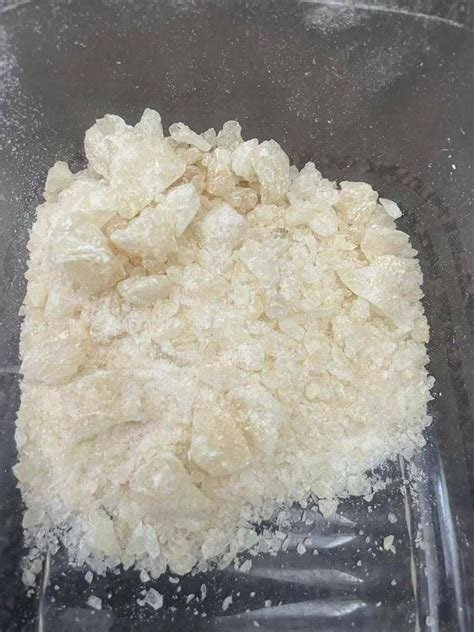
3-MMC powder, also known as 3-Methylmethcathinone, is a synthetic stimulant and research chemical often compared to other cathinones like 4-MMC. Popular for its crystalline form, 3-MMC powder is widely studied for its potential in research and chemical analysis.
What Is 3 MMC Used For?
This compound is typically used for research purposes, including:
Pharmacological studies
Behavioral experiments
Chemical structure analysis
Note: It’s crucial to ensure compliance with local regulations before purchasing or using 3-MMC powder.


Related products
Alicia anisopetala – Black Ayahuasca 10g
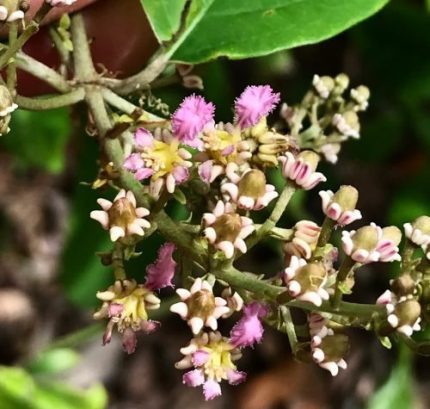
Alicia anisopetala (or possibly A. macrodisca), family Malpighiaceae, native to Peru. Known as Black Ayahuasca or Black Caapi. This species came to prominence initially after being sold by a Peruvian vendor called ‘Kiwiboancaya’ as Diplopterys cabrerana seeds. Some internet sites report that this species contains both tryptamines and beta carbolines. Others claim that there have been no beta carbolines found at all. I have used a UV light on both stems and leaves of this species and no fluorenscence was observed (this can indicate harmala alkaloids). The stem and leaves oxidise when cut, turning black, which would lend itself to the indigenous classification of ‘black ayahuasca’ (if this is an accurate indigenous classification at all or merely a marketing tool).
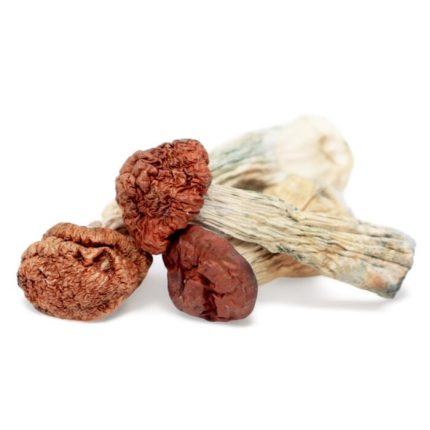
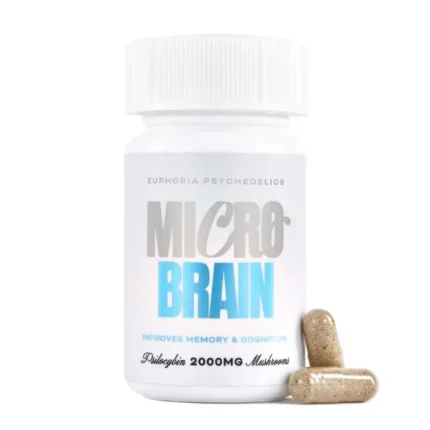
Blue Meanie Magic Mushrooms
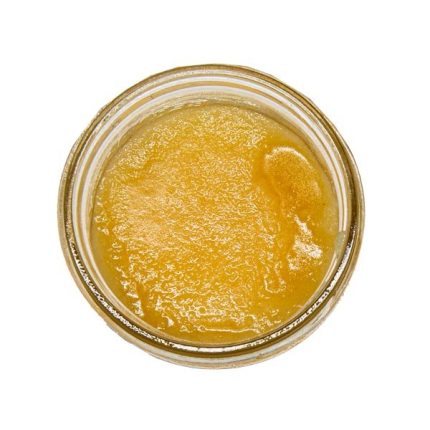
Live Resin – Orange Creamsicle (Indica)
Inheriting the finest qualities from its parent strains, Orange Crush and Juicy Fruit, Orange Creamsicle stands tall with its heavy colas and potent flavor, enticing you to return for more. As the name implies, this hybrid strain has a robust citrus flavor and is employed to alleviate nausea and anxiety. Cultivators will appreciate this bountiful producer, which blooms in nine weeks, showcasing stunning orange-white hues and a dense layer of resin.

LSD-25 Tabs Alice
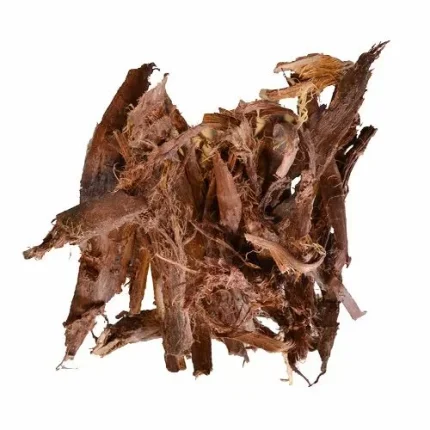
Mimosa hostilis – Inner root bark | Jurema Preta
Mimosa Hostilis Root Bark (MHRB) – Jurema Preta | Mimosa Tenuiflora
Sourced from the revered Mimosa hostilis tree—commonly known in Brazil as Jurema Preta, Black Jurema, or Vinho de Jurema—this inner root bark is treasured for its historical and cultural significance. Renowned among indigenous shamans, it is valued for its deep-rooted entheogenic legacy.
Sacred Origins & Medicinal Legacy
Native to the arid regions of northeastern Brazil, Mimosa hostilis (also known by its updated scientific name Mimosa tenuiflora) has been used for centuries in traditional medicine. The inner root bark—the most alkaloid-rich and potent part of the plant—is carefully harvested and prepared for a wide range of ethnobotanical and research uses.
Trusted by Tradition, Valued Worldwide
In the Western world, Mimosa hostilis root bark has gained popularity as a natural alternative to other revered plants such as Psychotria viridis and Chaliponga, especially in botanical and spiritual exploration communities. Its rich alkaloid profile and sustainable sourcing make it a respected botanical specimen around the globe.
Botanical Equivalence & Naming
While Mimosa hostilis remains a popular term, it is taxonomically identical to Mimosa tenuiflora—both names refer to the same plant species. In some regions, the bark is also known as Tepezcohuite, especially in Mexico, where it’s used in skin care and natural medicine for its soothing properties.
Our Commitment to Freshness & Quality
We import our Jurema Preta root bark directly from Brazil, ensuring it is sustainably sourced and harvested at peak potency. Fresh shipments arrive monthly, so you’re always receiving superior-quality root bark with maximum freshness and integrity.
Botanical Profile:
-
Family: Leguminosae / Mimosaceae
-
Genus: Mimosa
-
Species: hostilis, tenuiflora, verrucosa
-
Common Names: Jurema Preta, Jurema Branca, Caatinga Mimosa, Tepezcohuite, Calumbi, Carbonal, Cabrera, White Jurema, Black Jurema
Phytochemical Composition:
The inner root bark contains a wide spectrum of naturally occurring compounds, including:
Tannins, saponins, tryptamines, alkaloids, lipids, phytoindoles, xylose, phytosterols, glucosides, rhamnose, arabinose, methoxychalcones, lupeol, and kukulkanins.