
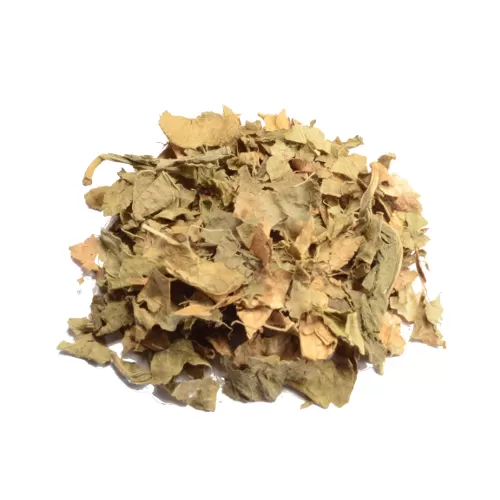
Bay bean 20 gram (Canavalia maritima)
$40.00
Canavalia maritima (Laurel Bean) – 20g
Historically, the dried leaves of Canavalia maritima have been used as a relaxant in various ancient rituals. On the Gulf Coast of Mexico, these beans were traditionally consumed alongside other sacred herbs, highlighting their cultural significance.
Modes of Use:
A common traditional method involves preparing a tea from the leaves. To do this, dissolve 5 to 10 grams of dried leaves in hot water. For enhanced flavor and potential effects, it can be combined with other herbs such as tea leaves or chamomile.
Effects:
The experience is often described as pleasant, relaxing, and calming, with some users experiencing mild psychedelic sensations. Reports also mention potential aphrodisiac properties and feelings of euphoria, making it a notable herb in traditional practices.


Related products
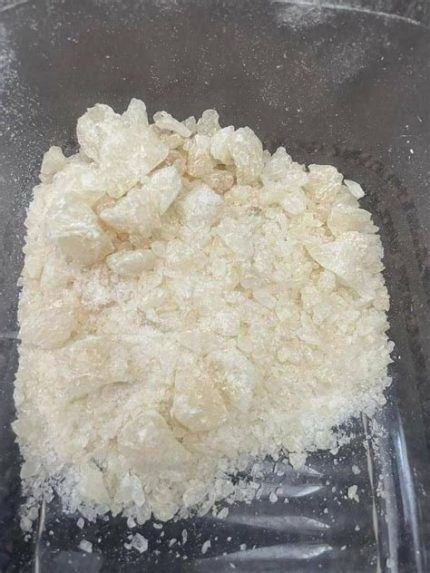
3-MMC Powder Online – 3-Methylmethcathinone
What Is 3 MMC Powder?
3-MMC powder, also known as 3-Methylmethcathinone, is a synthetic stimulant and research chemical often compared to other cathinones like 4-MMC. Popular for its crystalline form, 3-MMC powder is widely studied for its potential in research and chemical analysis.
What Is 3 MMC Used For?
This compound is typically used for research purposes, including:
Pharmacological studies
Behavioral experiments
Chemical structure analysis
Note: It’s crucial to ensure compliance with local regulations before purchasing or using 3-MMC powder.
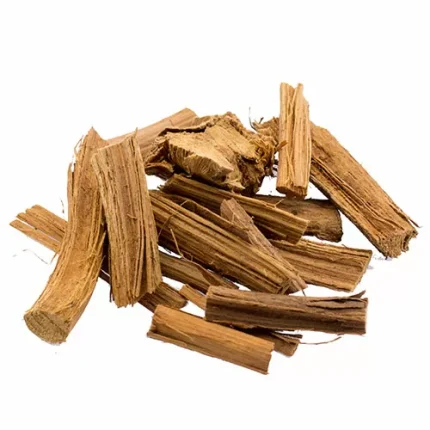
Banisteriopsis caapi – Red, rojo 100g
Banisteriopsis Caapi Red Vine Powder – “The Vine of Souls”
Banisteriopsis caapi, often revered as the “Vine of Souls,” is a sacred plant native to the Amazon rainforest. This legendary vine is the primary ingredient in the ancient ceremonial brew known as Ayahuasca (also called Yagé or Yajé) and is also widely utilized in Changa blends.
Botanical Classification:
-
Family: Malpighiaceae
-
Genus: Banisteriopsis
-
Species: caapi, inebrians
Cultural & Ceremonial Significance
For centuries, indigenous communities throughout the Amazon Basin—and isolated regions of Colombia and Ecuador—have used Banisteriopsis caapi in spiritual rituals. This powerful forest liana is considered a conduit to the divine, used in ceremonies to access higher consciousness, healing, and connection to ancestral realms.
Traditional Preparation
Traditionally, segments of the vine are pounded and simmered with complementary plants like Psychotria viridis (Chacruna) or Diplopterys cabrerana (Chaliponga/Chagropanga) to prepare the Ayahuasca brew. In some cultures, cold water infusions of the vine alone are also used.
Our Red Caapi Vine Powder is finely milled for ease of botanical study and comes from ethically sourced, mature vines harvested with care and respect for the environment.
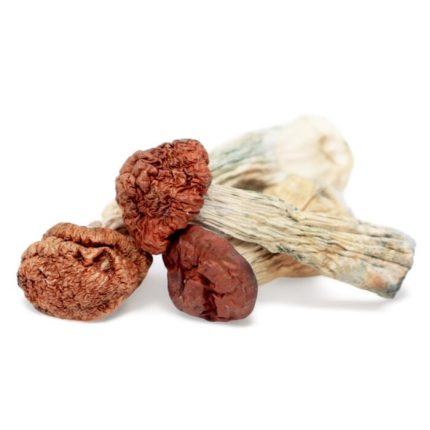
Blue Meanie Magic Mushrooms

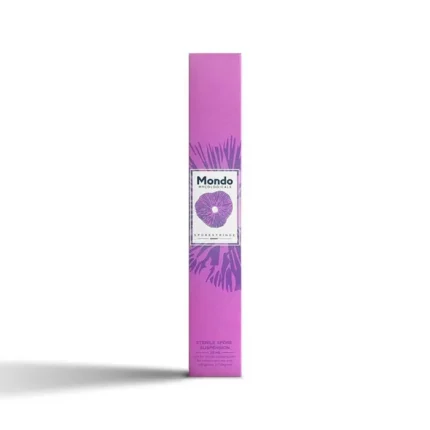
Golden Teacher Spore Syringe (20cc)
he origin of this magic mushroom strain is not known, thus the name Golden Teacher comes from the admirable golden color of the caps and his so-called teaching capacities.
The first mushroom flush will produce medium sized mushrooms. In later flushes they might grow very large. It is a very robust mushroom with big, massive stems.
The Golden Teacher spores are available in a 10ML spore syringe.
(These spore syringes are sold for microscopy and taxonomy use only. They are not intended for cultivation purposes.)
Strain Origin: Unknown
Cap: 50+ mm in diameter, convex to broadly convex to plane at maturity. Reddish cinnamon brown maturing to golden brown to light yellow. Surface dry with pronounced and persistent remnants of universal veil on cap (spots). Flesh white soon bruising bluish green.
Stem: 125+ mm in length, yellowish. Flesh bruising bluish green where injured. Persistent membranous annulus (ring) from partial veil that becomes dusted with purple brown spores at maturity.
Gills: Attachment adnate to adnexed. Grayish coloration in young fruit bodies becoming nearly black in maturity.
Spores: Dark purplish brown, subellipsoid on 4-spored basidia